
Some posts on this site contain affiliate links. If you book or buy something through these links, I earn a small commission (at no extra cost to you). Take a look at my privacy policy for more information.
Choosing the best time to visit Dorset depends on exactly what you want from your trip.
This guide breaks the year down season by season, then goes into more detail month by month. Further down the page, you’ll find a quick overview of wildlife highlights throughout the year, and finally, I’ve shared some quick “best time for…” sections, so you can jump straight to the experiences you’re most interested in. Use the contents menu below to jump ahead if you need to, or head straight to the “quick version” at the top. And if you have a question, feel free to reach out in the comments. Happy planning…
Best Time to Visit Dorset – Quick Version
There’s really no bad time of year to visit Dorset! But because many of the county’s most iconic attractions are outdoors, summer is the safest bet for good weather – perfect for beach days, watersports, coastal walks, and exploring the countryside. Summer is also a good time of year for festivals and events; there’s almost always something going on!
However, summer is also peak season, and July and August are the busiest months of the year. This means higher prices, traffic jams, crowded beaches, and accommodation that books up well in advance.
Visiting Dorset in the shoulder seasons of April-June and September-October means you can avoid the summer crowds, whilst still enjoying (usually) pleasant weather. With the exception of Easter and bank holidays, you’ll usually find better prices and more availability, giving you far more flexibility when choosing where to stay.
Seasonal Summary
-
Spring (March, April, May): Mild but changeable weather. Wildflowers, early butterflies, and lambing season in full swing. Excellent hiking conditions.
-
Summer (June, July, August): The warmest and sunniest months, ideal for beaches and watersports. Also the busiest – and most expensive – time of year.
-
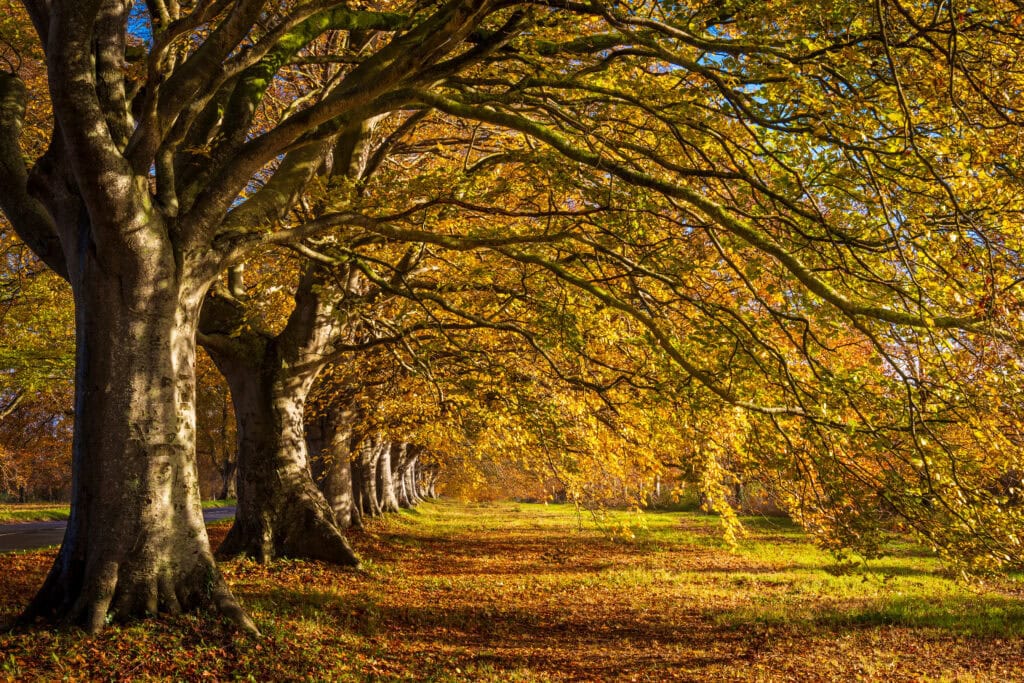
Autumn (September, October, November): Generally much quieter. Golden countryside and migrating birdlife. Fairly mild temperatures, though October-November can be wet. Best season for watersports like surfing and kitesurfing.
-
Winter (December, January, February): The cheapest and quietest time to visit. Cold, windy, and often wet, but the best season for seal sightings and fossil hunting.
Good to Know: Many tourist businesses and attractions are open seasonally, usually from the Easter holidays until October. Bear this in mind if you’re planning a visit from November to March.
Months at a Glance
-
January: Dramatic waves · Empty beaches · Fossil hunting
-
February: Snowdrops · Early spring colour · Cosy getaways
-
March: Longer days · Mixed weather · Attractions start reopening
-
April: Bluebells · Lambs in fields · Ideal hiking
-
May: Dorset Spring Show · Warm days · One of the best all‑round months
-
June: Long days · Warming seas · Perfect for paddleboarding
-
July: Peak summer heat · Busy beaches · Lots of events
-
August: School holidays · Festivals · Highest prices
-
September: Still-warm seas · Quieter beaches · Dorset County Show
-
October: Autumn colour · Migrating birds · Start of surf season
-
November: Dramatic seas · Fossil hunting · First winter wildlife
-
December: Festive events · Cosy pubs · Best month for seal sightings
Dorset by Month
FYI: weather averages are taken from the Met Office’s official climate station page for Bournemouth Airport/Hurn.
January
Weather: Avg high 8°C · Low 1°C · ~95mm rain · Coldest month
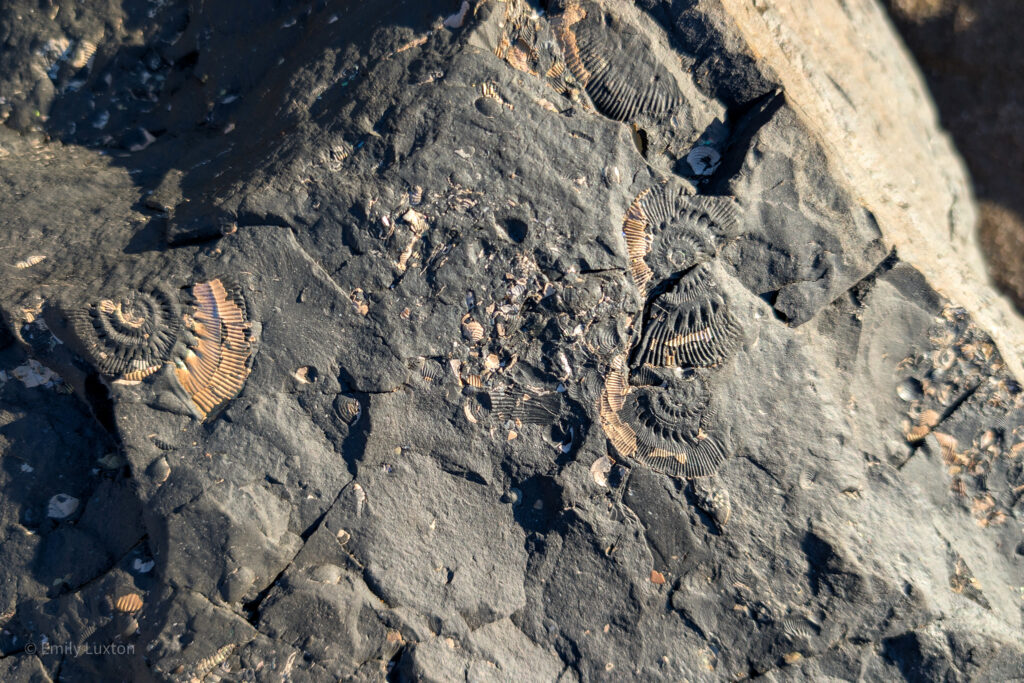
Highlights: Big winter waves, freshly exposed fossils, long dark nights for stargazing.
Best for: Storm‑watchers, budget travellers, cosy winter breaks
Key Events:
- ILLUMINATE light trail at The Blue Pool (10 Jan – 22 Feb 2026)
You might think January isn’t a great month to visit Dorset, but it has a wild beauty that you rarely get at any other time of year. The beaches are empty, the seas are dramatic, and on clear days, the sharp winter light is just incredible. Storms often reshape the coastline, revealing fresh fossils on beaches; Charmouth and Lyme Regis are among the best places to go fossil hunting! January is also one of the quietest and cheapest times to visit Dorset. Accommodation prices are usually lower, and the attractions that remain open often run special offers.
Top Tip: Landslides can occur on the coast in winter. Take care around the base of cliffs on beaches, and stay well back from the edges on clifftop paths. Check the South West Coast Path website for route changes.
February
Weather: Avg high 8°C · Low 1°C · ~69mm rain
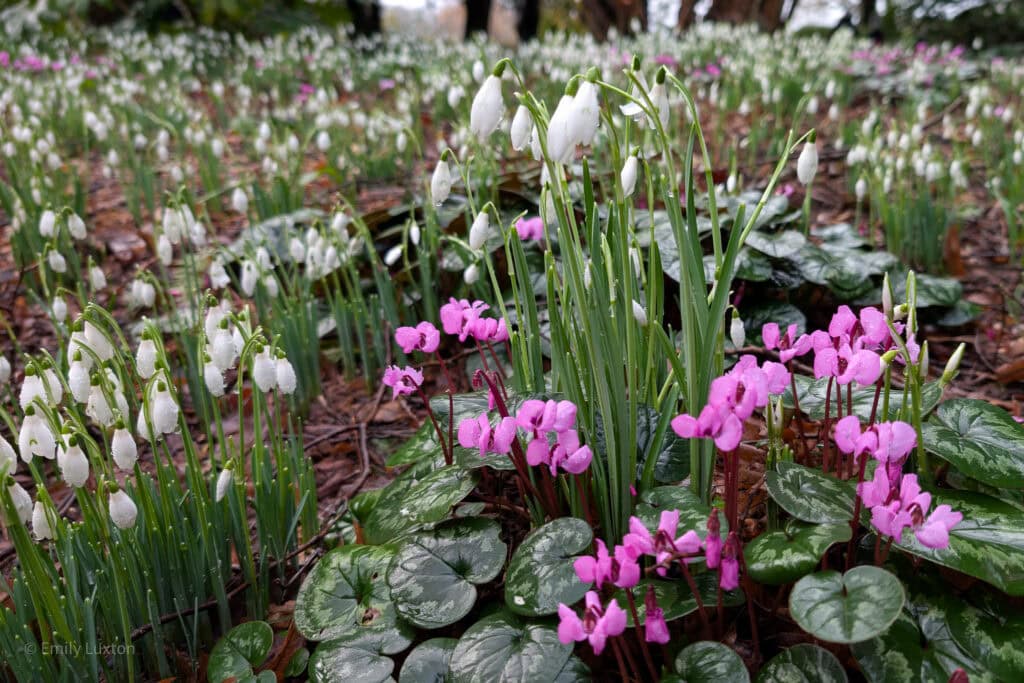
Highlights: Snowdrops and other winter blooms, great winter light for photography, cosy getaways for Valentine’s Day.
Best for: Photographers, nature lovers, romantic winter getaways.
Key Events:
- Shaftesbury Snowdrop Festival (14-22 Feb 2026)
- Snowdrop Trail at Kingston Lacy (28 Jan -21 Feb 2026)
- February half term (16-20 Feb 2026)
In February, the days start getting longer, and you begin to notice the first tantalising signs of spring. This is a lovely month to visit Dorset’s gardens and woodlands in search of snowdrops, early crocuses, and other winter blooms. Wrap up warm and hit the coast path for a blustery walk, explore Dorset’s heritage at the many museums and stately homes, or make the most of kid-friendly indoor attractions like Splashdown Waterpark or Rock Reef climbing centre. Again, it’s still very much quiet season, so prices are generally lower and attractions are less crowded – even during half-term.
Top Tip: February is a great month for romantic Valentine’s getaways at one of Dorset’s cosy countryside B&Bs or glamping spots.
March
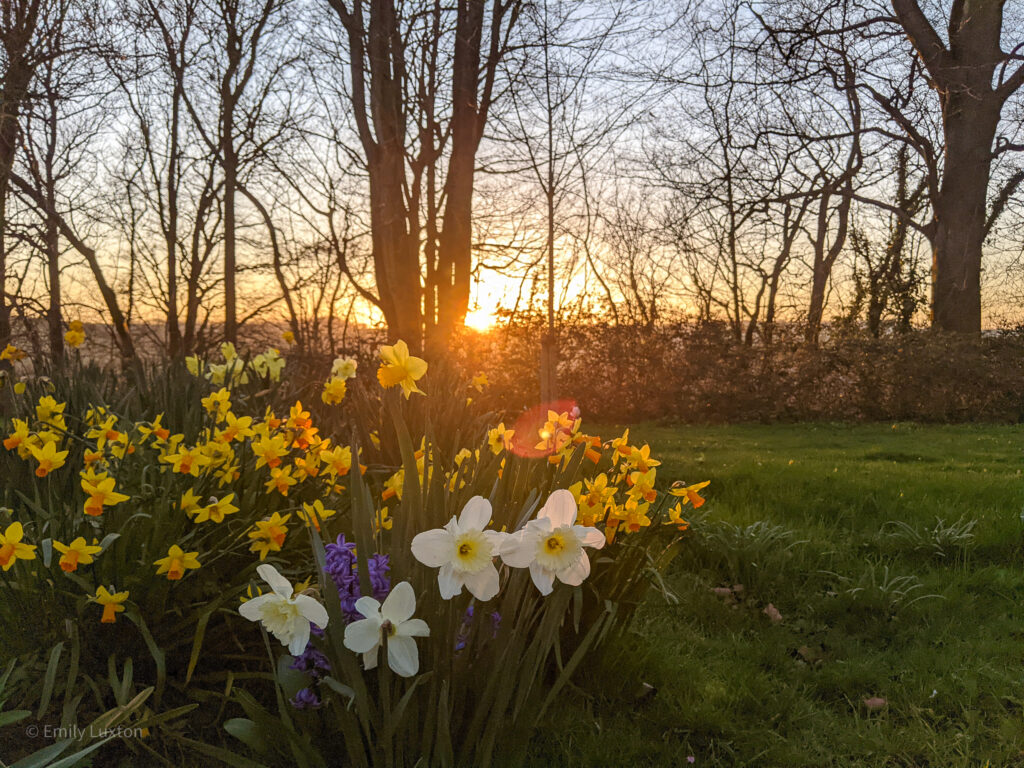
Weather: Avg high 10°C · Low 2°C · ~57mm rain
Highlights: Gardens reopening, lambs in fields, spring flowers.
Best for: Nature lovers, walkers.
Key Events:
- Swanage Railway Spring Steam Gala (27-29 Mar 2026)
- Dorchester Science Festival (6-15 Mar 2026)
March is one of my favourite months in Dorset. Spring blooms fill the countryside, the county’s gardens and seasonal attractions begin to reopen, and you get the sense that the world is waking up. With the countryside trails awash with daffodils and early spring lambs gambolling in the fields, it’s a great month for walkers. Dorset’s south‑coast location means it’s one of the first places migrating birds reach in spring: Portland Bill and Durlston Country Park are great places to spot them. March is still relatively quiet, and with the weather improving and days getting longer, it’s a great time to make the most of the empty beaches and coast paths.
April
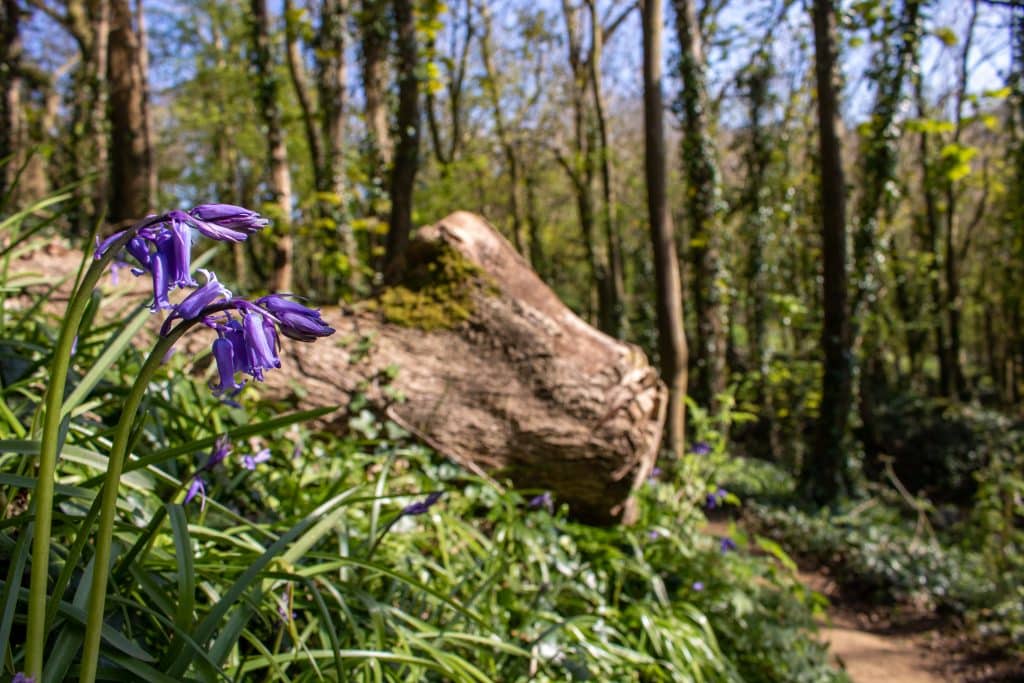
Weather: Avg high 13°C · Low 3°C · ~56mm rain
Highlights: Bluebell woods, hedgerows bursting into leaf, newborn wildlife.
Best for: Hikers, families, countryside breaks.
Key Events:
- Easter holidays (30 Mar-10 Apr 2026)
- Bournemouth Writing Festival (24-26 April 2026)
- Abbotsbury Food Fair (3-4 April 2026)
Spring is in full swing in April, with the countryside and gardens awash with colourful wildflowers. Look for bluebells and wild garlic in the woodlands, cherry blossoms in Kingston Lacy’s Japanese garden, or enjoy the blooming camellia, magnolias, and other spring blooms at Abbotsbury Subtropical Gardens. It’s a great time of year to hit the coast paths, with trails still fairly quiet and mild, mostly dry weather ideal for hiking. The Easter Holidays usually fall in April, meaning busier attractions and higher prices, but it’s still a quieter and more budget-friendly time to visit than the summer.
May
Weather: Avg high 16°C · Low 6°C · ~52mm rain
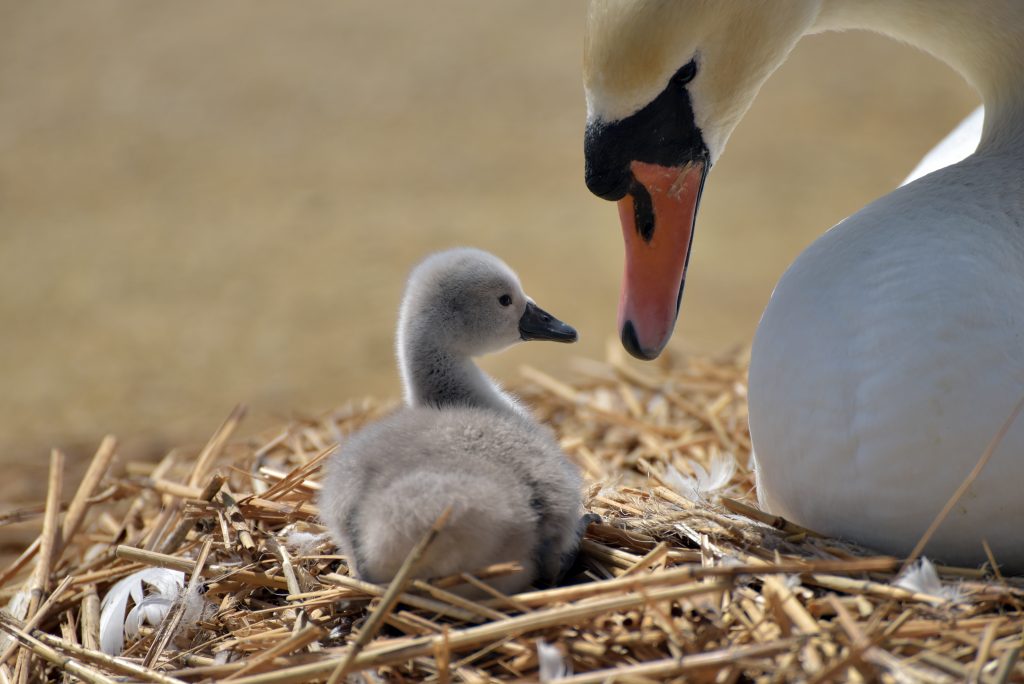
Highlights: Coastal flowers like thrift and gorse, warm & settled weather, baby swans hatching at Abbotsbury Swannery.
Best for: First‑timers, relaxed outdoor trips.
Key Events:
- Dorset Spring Show (9-10 May 2026)
- May bank holidays (4 & 25 May 2026)
- Christchurch Food Festival (23-25 May 2026)
May is one of the best all-round months to visit Dorset. The weather is (usually) warm and mild, the countryside is bursting with colourful wildflowers, and the sea temperatures are getting warm enough to swim. It’s a great month for festivals and events, including several food festivals, and a brilliant month for anyone who loves nature, walking, and wild swimming. May is still quieter than the busy summer months, although the two bank holidays and many events mean things can get crowded.
Top Tip: Abbotsbury Swannery is a particular highlight this month; get close-up to fluffy, newborn cignets and potentially even see them hatching.
June
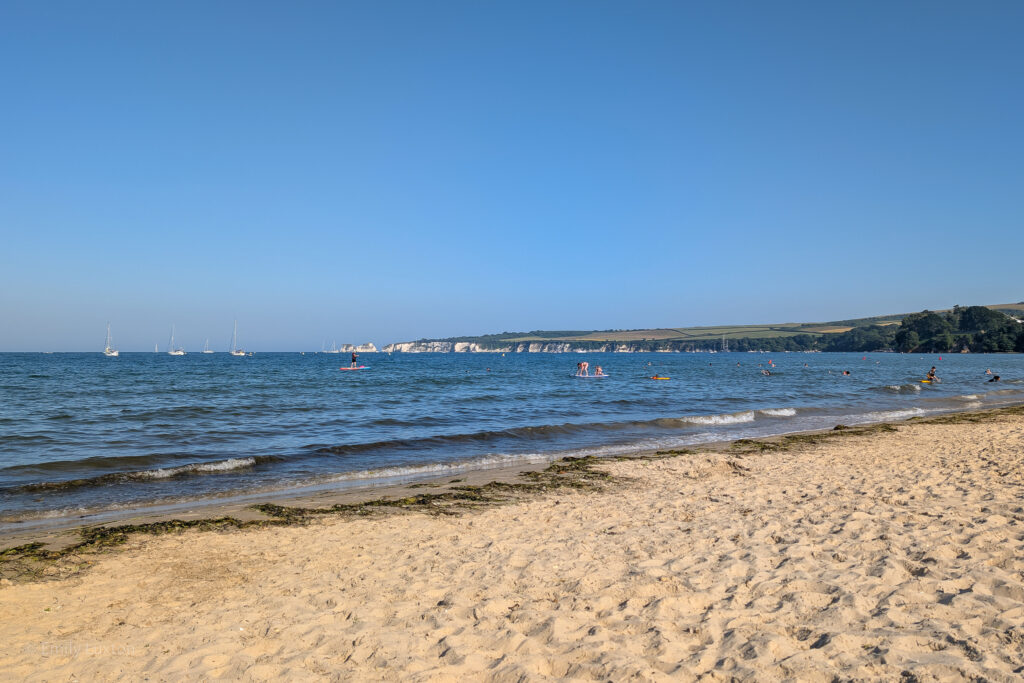
Weather: Avg high 19°C · Low 9°C · ~53mm rain · Longest days
Highlights: Warm and calm seas for paddleboarding, peak wildflower meadows, early‑summer warmth.
Best for: Beach lovers, paddleboarders, budget-friendly travel.
Key Events:
- Lyme Regis Fossil and Earth Science Festival (13-14 June 2026)
- Wimborne Minster Folk Festival (12-14 June 2026)
- Summer Solstice (21 June 2026)
Summer has arrived, bringing one of the most magical seasons to explore Dorset. June’s long, sunny days are perfect for making the most of the county’s beaches and outdoor attractions. The chalk downlands burst into colour, with wildflowers like yellow horseshoe vetch and purple field scabious; enjoy them on clifftop walks around spots like Ballard Down or Durlston. Summer is peak season in Dorset, but June is still calmer and quieter than the summer holidays, ideal for anyone who wants to beat the peak summer crowds.
Top Tip: June is a brilliant time for watersports such as paddleboarding and kayaking, especially with the calm early-morning and late-afternoon seas.
July
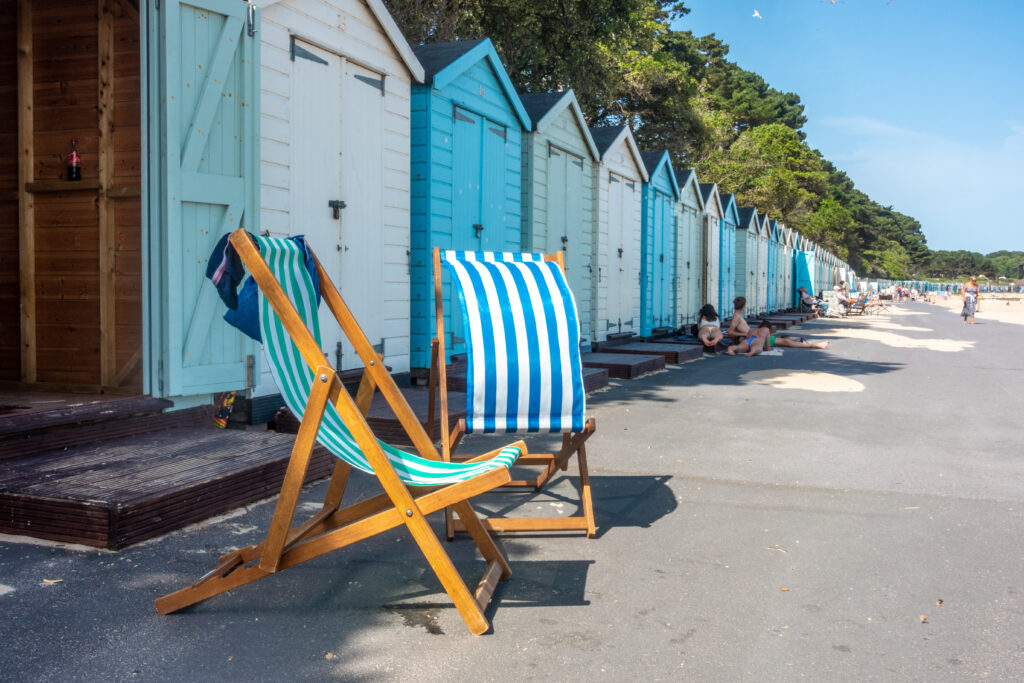
Weather: Avg high 21°C · Low 11°C · ~50mm rain · Warmest month
Highlights: Classic beach weather, warm sea temps building, lots of festivals and events.
Best for: Families, classic summer holidays.
Key Events:
- Bourne Free / Bournemouth Pride (11-12 July 2026)
- Camp Bestival (30 Jul-2 Aug 2026)
- Poole Harbour Festival (31 Jul-2 Aug 2026)
July is Dorset’s warmest and driest month, bringing the ideal beach weather that makes it one of the most popular times to visit. Accommodation prices start to increase, beaches and attractions can get busy, and there’s often traffic on the main routes. That said, there are still plenty of hidden gems and quiet beaches to enjoy, especially if you don’t mind a bit of a walk!
Top Top: The summer holidays, which start in late July, are the busiest time in Dorset. If you can, visit nearer the start of July to avoid the worst crowds and price-hikes.
August
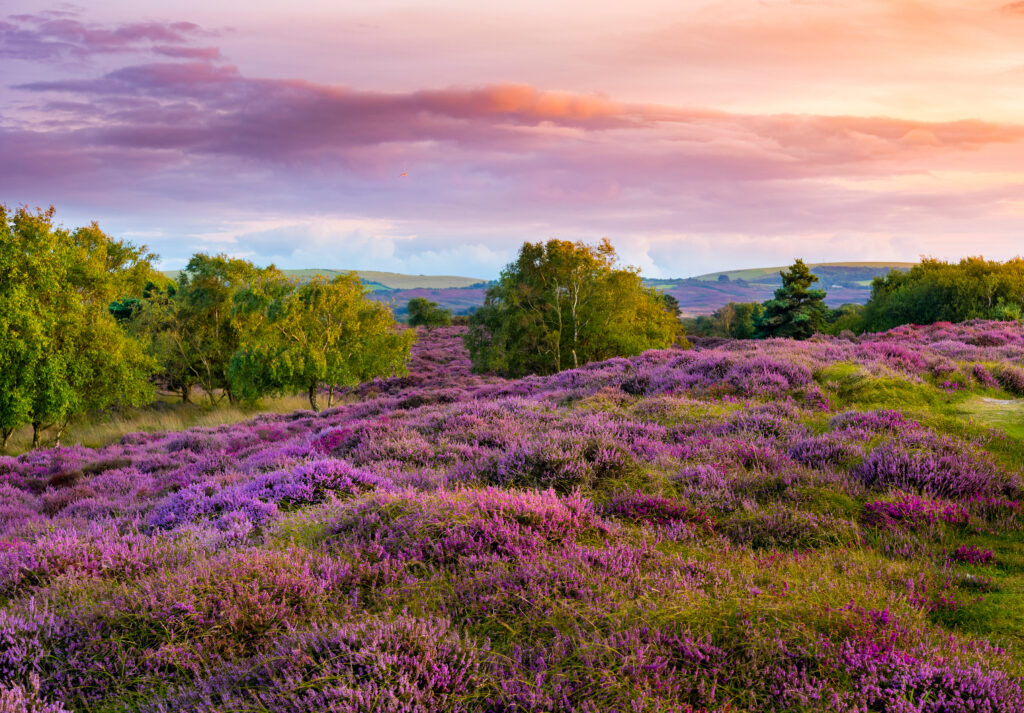
Weather: Avg high 21°C · Low 10°C · ~56mm rain
Highlights: Peak sea warmth, summer festivals, heaths in full bloom.
Best for: Families, festival-goers, beach days.
Key Events:
- Jurassic Fields (14-16 August 2026)
- We Out Here Festival (20-23 August 2026)
- Summer bank holiday (31 Aug 2026)
- Weekly summer fireworks displays
August is peak summer – and peak season – in Dorset. This is the busiest and most expensive month to visit the county, with families making the most of the school summer holidays at seaside hotspots like Weymouth and Bournemouth. It’s not just the holidays that make this a prime time to visit, though. The weather (when it cooperates) is ideal for beach days and outdoor activities, and the tourist season brings a fantastic run of festivals and events. If you don’t mind sharing, August is a beautiful month to visit Dorset!
September
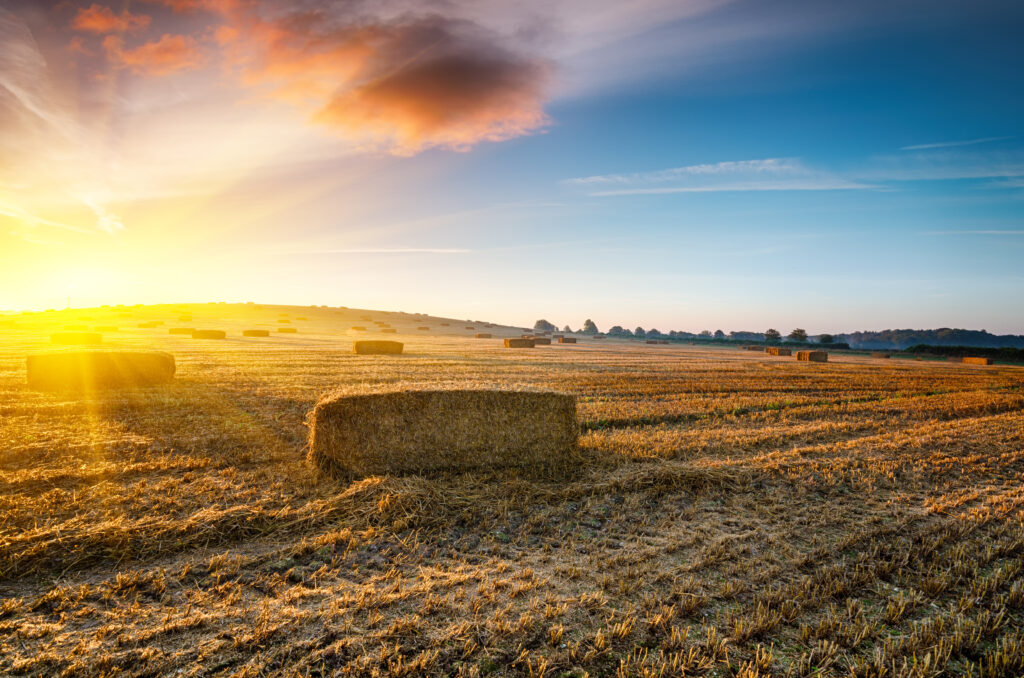
Weather: Avg high 18°C · Low 8°C · ~63mm rain
Highlights: Summer crowds gone, seas still warm enough for swimming.
Best for: Swimmers, couples, late‑summer breaks.
Key Events:
- Dorset County Show (5-6 Sept 2026)
- End of the Road music festival (3-6 Sept 2026)
For many locals, September is the best time to be in Dorset! The summer crowds have gone home, but the weather and seas remain warm enough for swimming, and low winds mean it’s still a good time for paddleboarding. It’s harvest-time in the countryside, and towards the end of the month, the landscape begins to shift towards autumnal hues. This is one of the best months for hiking: mild weather, with low, golden light and hedgerows full of blackberries. September is the perfect shoulder-season month for quieter beaches, outdoor adventures, and slightly more budget-friendly prices.
October
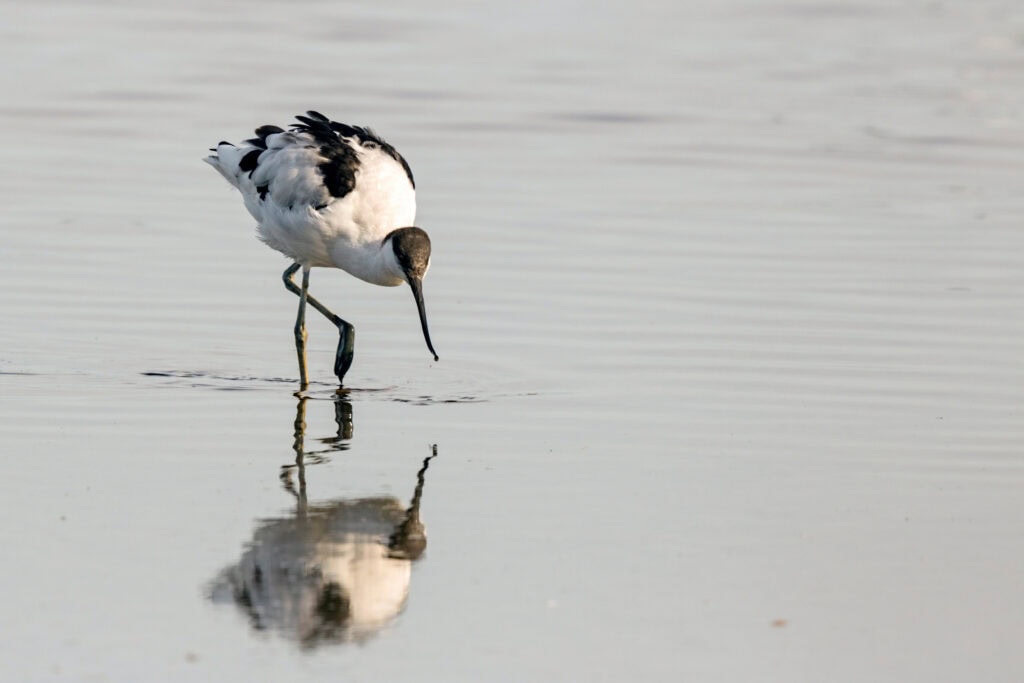
Weather: Avg high 15°C · Low 6°C · ~99mm rain
Highlights: Autumn colour, migrating birds, start of surfing & kitesurfing season.
Best for: Birdwatchers, surfers, families (for the Halloween events).
Key Events:
- October half term (26-30 Oct 2026)
- Halloween events and activities
- Gillingham Carnival (TBC)
By mid-autumn, Dorset settles into a more relaxed pace. The countryside turns red and gold, migrating birds begin to arrive, and the cooler air is ideal for hiking and biking. Wrap up and explore Dorset’s woodlands, gardens, and nature reserves for autumn colours: Mapperton Gardens, Kingston Lacy, and Thorncombe Woods are some of the best spots. The October half-term brings a flurry of Halloween activities and pick-your-own pumpkin patches. This is an ideal time for families looking for a budget-friendly alternative to the summer holidays.
Top Tip: Autumn is peak season for wind-based watersports like surfing (top spots include Bournemouth Beach and Kimmeridge Bay) and kitesurfing (Portland Harbour and Overcombe in Weymouth).
November
Weather: Avg high 11°C · Low 3°C · ~102mm rain · Wettest month
Highlights: Wild storm fronts, excellent fossil hunting, winter bird arrivals.
Best for: Fossil hunters, birdwatchers, cosy weekends.
Key Events:
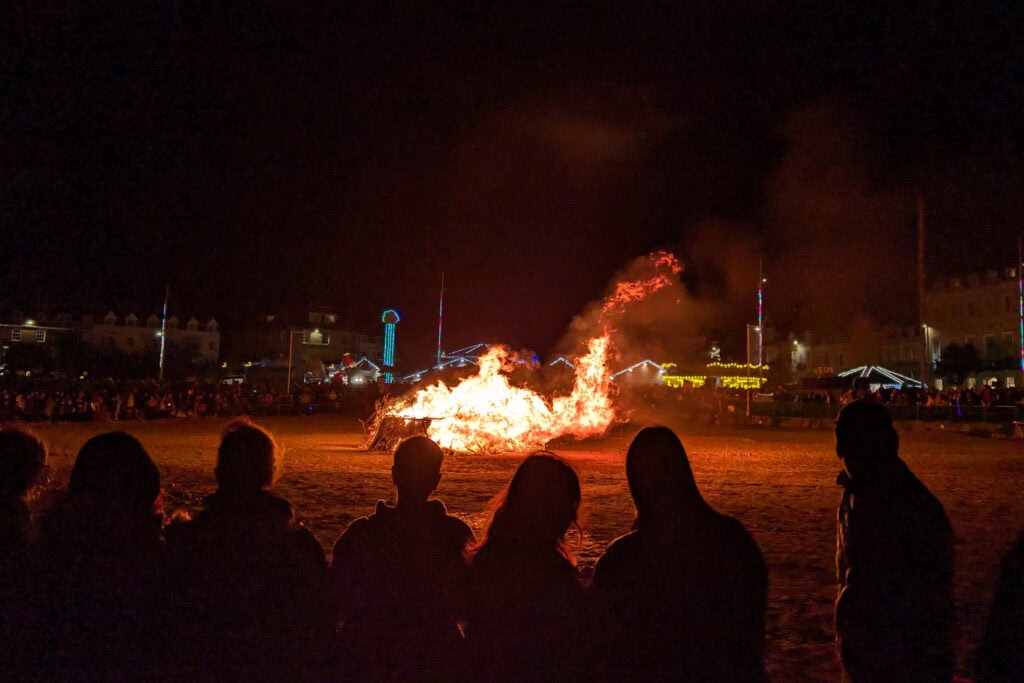
- Guy Fawkes Bonfire Night (5 November)
- The Bridport Literary Festival (TBC)
- Christmas light switch-ons (late Nov)
Cosy season is in full swing by November: Autumn colours, long nights, and crisp, cold weather (when it’s not raining). It’s the perfect time of year for a cosy, winter getaway, making the most of Dorset’s country pubs and boutique hotels. The sky is full of noisy flocks of migrating geese arriving for the winter, and this is one of the best months to see and hear owls. Firework displays light up the night skies for Bonfire Night on 5 November, while towards the end of the month, towns start hosting their Christmas lights switch-on events.
Top Tip: On the coast, it’s prime season for fossil hunting, as winter rain and storms regularly flush out fresh finds (stay well back from cliff bases, though).
December
Weather: Avg high 9°C · Low 2°C · ~98mm rain
Highlights: Festive vibes, meteor showers, good month for seal sightings.
Best for: Stargazers, quiet escapes, festive breaks.
Key Events:
- Geminids meteor shower (4-20 Dec; peaks 13-14)
- Illuminate light-trail at Abbotsbury Subtropical Gardens (TBC)
- Christmas markets and events (full list here)
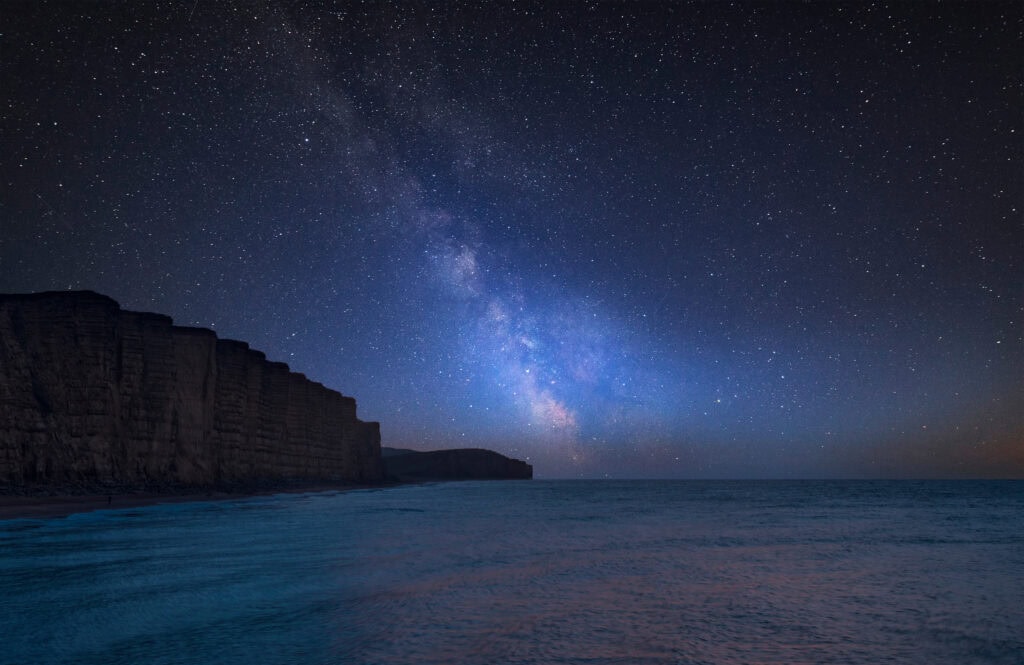
With the festive season in full swing, Dorset comes alive with an array of fun Christmas events, pop-up ice rinks, and pantomimes. Bournemouth hosts a huge Christmas Tree Wonderland with an Alpine Market in the town centre, and there are many smaller Christmas markets in towns across the county. December’s long, dark nights are ideal for stargazing, and on the cliff paths, this is one of the best months to spot grey seals, who are more active in winter. Look for them around the Purbeck coast and at Portland Bill.
- Christmas Events in Dorset
- Christmas Markets in Dorset
- Ice Rinks in Bournemouth & Dorset
- Pantos & Other Xmas Shows
Wildlife Through the Year
Spring (March–May)
Migratory birds arriving from the south: Chiffchaffs, wheatears, swallows, swifts, house martins and sand martins begin returning from March onwards. Read more.
Coastal birds: Gannets, kittiwakes, terns and skuas.
Breeding birds: Look for skylarks, meadow pipits, stonechats, linnets, and Dartford warblers across the downs and heaths.
Raptors: Buzzards and kestrels are common. Poole Harbour’s resident ospreys return around March.
Reptiles: Adders and sand lizards can be seen in April/May, basking in the sun on heathlands and coastal areas.
Spring wildflowers: Daffodils, primroses, bluebells, wood anemones, wild garlic, cowslip, and more.
Other spring wildlife: Early butterflies (brimstone, peacock, orange-tip), first dragonflies, and early orchids, including the rare early spider orchid on Purbeck chalk.
Summer (June-August)
Chalk downland flowers: Peak bloom on Ballard Down and Purbeck ridge. Look for horseshoe vetch, chalk milkwort, fairy flax, field scabious, knapweed, and pyramidal orchids.
Heathland plants: Gorse is in bloom all spring and summer (the yellow flowers smell of coconut). Heather peaks in July-August.
Butterflies: Dorset’s signature species include Adonis blue, Lulworth skipper, marbled white, and silver-studded blue. Best seen on the heaths.
Dragonflies & damselflies: Around wetlands and heathland pools.
Reptiles: Peak spotting time for common lizards on heathlands. Females give birth to live young in July.
Jellyfish: Seen inshore during spring and summer, particularly compass, moon, blue and barrel jellyfish.
Common seals: may be spotted around Poole Harbour and the Purbeck coast in calm conditions.
Dolphins: Can be seen year-round, but sightings are common in summer, especially Bottlenose dolphins.
Autumn (September-November)
Migrating birds: Finches, thrushes, ducks, and geese are on the move.
Waders & wildfowl: In wetland areas like Poole Harbour and The Fleet, look for avocets, black‑tailed godwits, curlew, redshank, teal, wigeon and shelduck. Spoonbills are regular autumn visitors to Brownsea Island.
Grey seals: Can be spotted around rocky coves and offshore ledges.
Other autumn wildlife: Fungi emerging across woodlands and heaths. Late butterflies (red admiral, painted lady) on warm days;
Winter (December-February)
Overwintering birds: Huge numbers gather in Poole Harbour, The Fleet, and coastal wetlands. Expect avocets, black‑tailed godwits, curlew, redshank, dunlin, oystercatchers, brent geese, and more.
Raptors: Hen harriers, marsh harriers and short-eared owls hunting over heaths and marshes.
Grey seals: Peak season for spotting grey seals offshore and on beaches.
Coastal birds: Purple sandpipers, turnstones and other hardy species along rocky shores.
Flora: Snowdrops appear by mid-Jan, early daffodils can be seen in February.
Best Time For…
Best Time for Beaches
June-September
Warmest sea temperatures, longest days, and the most settled weather. July and August are busiest, while June and early September are quieter but still warm.
Best Time for Food Festivals
May-September
Most major Dorset food events – seafood festivals, village fairs, and seasonal markets – take place from late spring to early autumn. June is the busiest month. Read more in my guide.
Best Time for Fossil Hunting
Autumn-spring
Winter storms expose fresh fossils from the cliffs, making this the best time of year to find them. Lower tides + fewer crowds make beach access easier. Avoid the bases of cliffs, especially after heavy rain. Read more in my guide.
Best Time for Hiking
April-October
Spring and autumn offer cooler temperatures and clearer views. Summer is great for long days, but it can be hot and busy on popular trails.
Best Time for Watersports (SUP, Kayak, etc)
May-September
Calmest seas and warmest water. Early mornings and late afternoons usually provide the smoothest conditions.
Best Time for Surfing
Autumn-winter
Stronger swells and more consistent waves along the exposed west‑facing beaches. October and November are considered the best, though winter is a popular time on Bournemouth Beach (read more in this guide). Summer surf is smaller and less reliable, but can be ideal for beginners.
Best Time for Kitesurfing
October-April
Windier months bring the most reliable conditions. September to November is often hailed as the best time for kitesurfing in the UK, while winter is best suited for seasoned kitesurfers equipped with the right gear. Read more in this guide.
Best Time for Mountain Biking
April-October
Drier trails and longer days. Heathland routes are at their best in late summer when the heather blooms.
Best Time for Snorkelling
July-September
Warmest and clearest seas, especially around Studland, Kimmeridge, and Swanage. Calm early‑morning conditions are best.
Best Time for Avoiding Crowds
April-May and September-October
Mild weather, quieter beaches and attractions, and easier parking. In peak summer, the beaches are at their quietest in the early morning and late afternoon/early evening.
Best Time for Budget Travel
November-March (excluding Christmas/New Year)
Lowest accommodation prices and far fewer visitors. Shorter days, but great for coastal walks, fossil hunting, wildlife, and photography.
As you can see, Dorset has something special to offer all year round, so there’s really no “right” time of year to visit! There’s magic in every season: crisp winter walks, spring wildflowers, long summer days on the coast, and the drama of autumn storms. There’s a reason I love living here all year round!
Use the guide above to match your trip to the experiences you’re most excited about, and check out my festival guides below to see what’s on when you visit.