Some posts on this site contain affiliate links. If you book or buy something through these links, I earn a small commission (at no extra cost to you). Take a look at my privacy policy for more information.

July is Dorset’s warmest and driest month, bringing the ideal beach weather that makes it one of the most popular times to visit.
The height of summer means long, balmy days ideal for hitting the beaches, roaming the countryside, and enjoying Dorset’s myriad outdoor attractions. This is the beginning of peak season in Dorset, particularly once the school summer holidays start at the end of the month. Accommodation prices start to increase, beaches and attractions can get busy, and there’s often traffic on the main routes. That said, there are still plenty of hidden gems and quiet beaches to enjoy, especially if you don’t mind a bit of a walk!
At-a-Glance: Dorset in July
- Average temperature: 22.2°C high / 12.1°C low
- Rainfall: 50 mm
- Daylight hours: ~15.5 hours
- Sea temperature: ~16–17°C
- Tourism Level: Very busy
- Best For: Families, classic summer holidays.
Weather in July
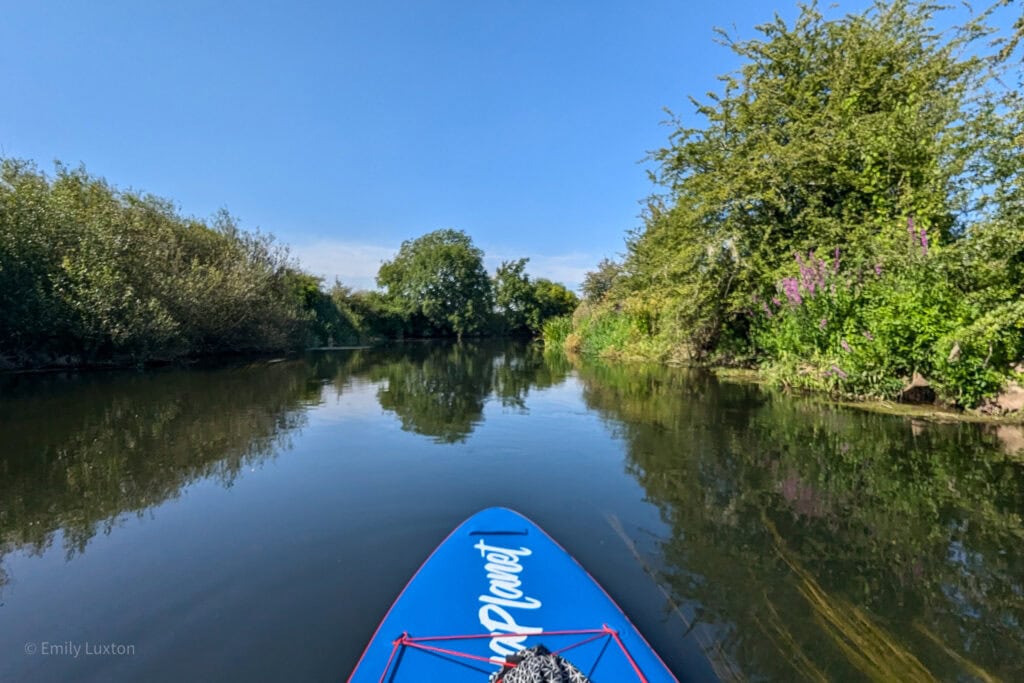
July is typically warm and settled, with average highs in the low 20s, occasional very hot days, and plenty of sunshine. It can be breezier on the coast, but you’ll be grateful for those sea breezes on hotter days. Rainfall is relatively low in July, though occasional summer showers or thunderstorms can develop during humid spells. Overall, July offers classic British summer weather: warm, bright, and ideal for outdoor adventures.
What to Expect in Dorset in July
July is warm, bright, and summery, with a lively holiday atmosphere. It’s a great month to enjoy Dorset’s coast and countryside, and the long daylight hours make it easy to plan full days out.
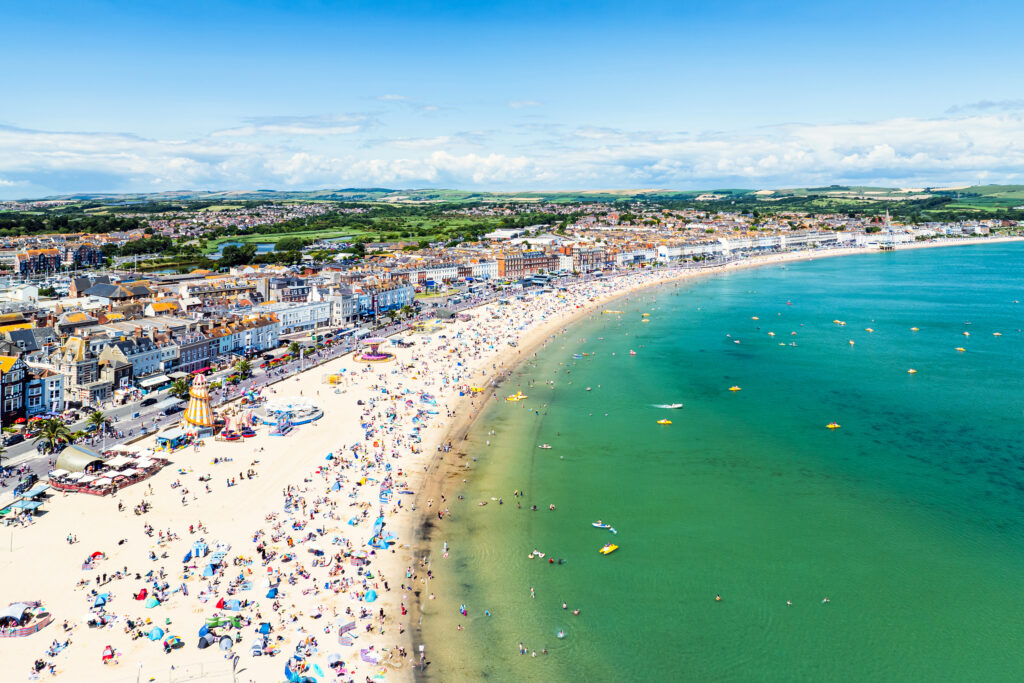
Visitor numbers rise in July and spike sharply once the school holidays begin. This means popular beaches and attractions can get busy, especially on weekends and very sunny days. Early mornings and evenings are usually still peaceful, even in busy spots like Weymouth Beach or Sandbanks. Traffic on the roads is common, and car parks can fill up fast, so plan your days well and aim to arrive early if you can!
Highlights
- Ideal for beach days, watersports, and long coastal walks
- School holidays mean busy beaches and attractions
- Long evenings for sunset walks
- The sea is warm enough for swimming
- Lots of summer festivals and events
Events & Festivals in July
- School summer holidays 23 July – 28 August 2026
- The Dorset Seafood Festival, Weymouth (4-5 July 2026)
- Bredy Reunion music festival (9-11 July 2026)
- Bourne Free / Bournemouth Pride (11-12 July 2026)
- Tolpuddle Martyrs Festival (17-19 July 2026)
- Bournemouth Reggae Weekender (24-26 July 2026)
- Mudeford Arts Festival (25-26 July 2026)
- Camp Bestival (30 Jul-2 Aug 2026)
- Poole Harbour Festival (31 Jul-2 Aug 2026)
- SandFest music festival, Sandbanks (TBC)
Best Things to Do in July
- Beach Days: Summer is prime season for making the most of Dorset’s stunning coastline. Popular resorts like Weymouth and Dorset can get busy, especially on sunny weekends, but there are plenty of hidden gems if you don’t mind a bit of a walk. Click here for my full guide to Dorset’s beaches.
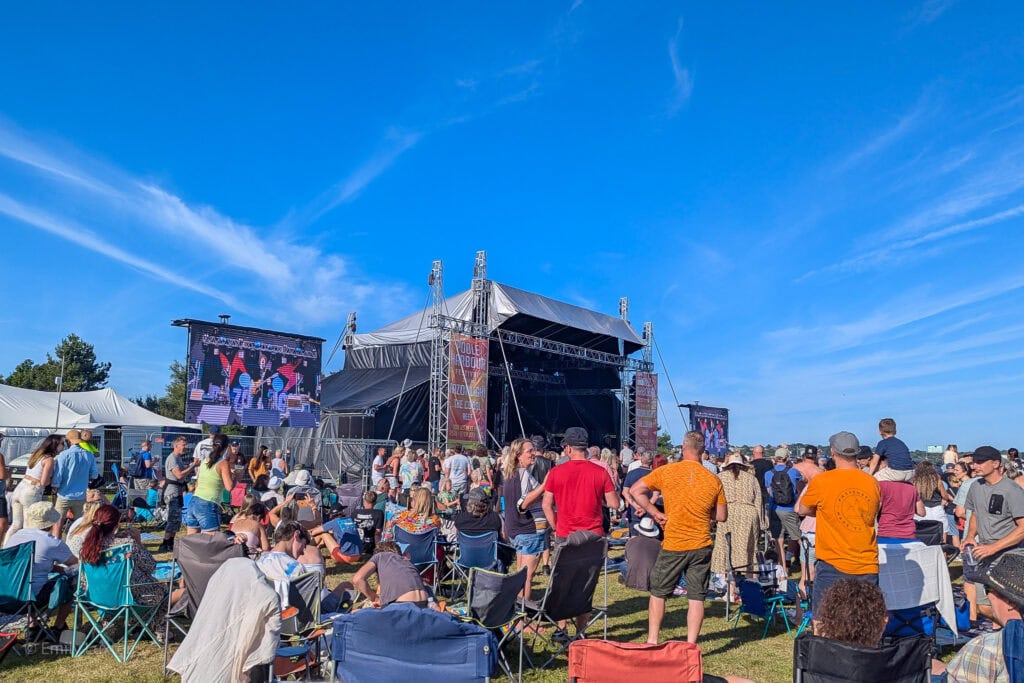
- Music Festivals: July is the start of festival season, with some large-scale music festivals including SandFest in Sandbanks, Camp Bestival in Lulworth, and Poole Harbour Festival (pictured above). See the full list of music festivals here.
- Summer Fireworks: Many large seaside towns, including Bournemouth and Weymouth, host free fireworks displays over the sea every week during the summer holidays. Click here for more details.
- Watersports: The sea is warm and usually calm in July, so this is a great time to try some gentle watersports like paddleboarding and kayaking. Weymouth Bay, Studland Bay, and Lulworth Cove are particularly sheltered, and all have rentals available.
- Country Parks: This is a great month to explore Dorset’s country parks in search of wildlife (butterflies and dragonflies are especially common – see below). Moors Valley Country Park boasts a huge play area, a miniature steam train, and a play trail through the woods. Durlston Country Park, near Swanage, is a great spot for wildflowers and butterflies, and they have regular events and children’s activities during summer.
Wildlife Highlights in July
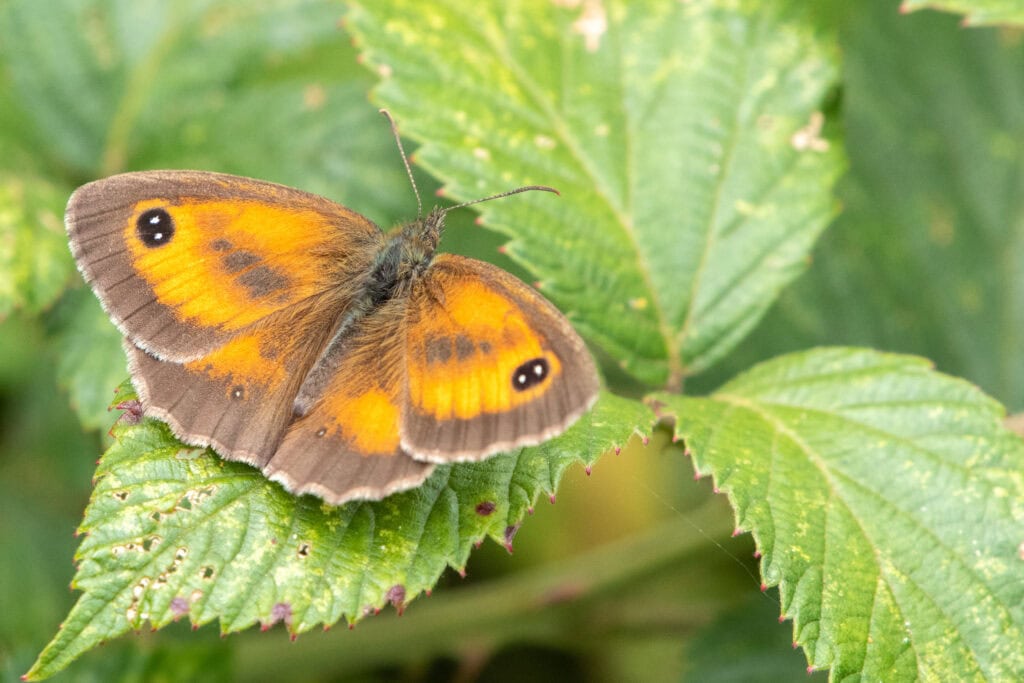
July is peak summer for insects like butterflies and dragonflies, coastal species, and wildflower meadows. It’s a great month for casual wildlife watching while enjoying Dorset’s beaches and countryside.
Key species & where to see them:
Flora
Summer Blooms: Grasslands and meadows (such as those around Ballard Down and the Purbeck Ridge) are now at their midsummer best, full of colourful wildflowers. Look out for Common Knapweed (purple-headed and thistle-like), pale purple Common Spotted Orchids, cream coloured Meadowsweet and large Oxeye Daisies.
Lavender: July is peak blooming season for these scented, purple blooms, often seen in Dorset’s gardens and stately homes.
Fauna
Dolphins: Though they can be seen all year round, dolphin sightings are particularly common in summer. Look for them in Lyme Bay, around Portland, and around the Isle of Purbeck.
Common Seals: Pups are born in June and July, and there’s a small resident population in Dorset. Sightings are most common around Poole Harbour and the nearby waterways.
Butterflies and moths: All those summer wildflowers attract plenty of colourful butterflies and moths. Red-and-black Cinnabar moths and Six-spot Burnets (black with red spots) are among the most common. For butterflies, look out for native Lulworth Skippers, chalkhill blues, gatekeepers, and marbled whites on chalk grasslands.
Dragonflies and damselflies: Out in force this month, usually most active around ponds and wetlands. Easiest to spot are the large, blue-and-green Emperor dragonflies (males can be up to 8cm long).
Reptiles: Sand lizards, common lizards, adders, and grass snakes can be seen basking in the sun throughout summer, particularly in Dorset’s heaths and moorlands. Female sand lizards lay their eggs in June and July, and common lizards are born in July. The sandy heaths around Studland Bay are a particularly good place to spot reptiles.
Bats: Active all summer long at ponds, lakes, and rivers, and can be seen foraging for insects around dusk.
Quick Tips for Visiting in July
- School holidays mean busy beaches. Arrive at carparks early if you can!
- Book accommodation, restaurants, and activities well in advance.
- Bring sun protection and stay hydrated on long walks.
- Use park-and-ride car parks in busy coastal towns like Weymouth.
- Summer evenings are lovely for exploring once the crowds thin.
- Early mornings and evenings have the calmest seas for paddleboarding.
July is a lovely time to enjoy Dorset’s coast, beaches, and outdoor attractions. From lively music festivals and quirky local events to the gentle pace of the countryside, there’s something here for every kind of traveller. Don’t forget to explore my other Dorset guides to help you make the most of your trip.
Related Posts
← Last month
Next month →
Coming soon
FYI: weather averages are taken from the Met Office’s official climate station page for Bournemouth Airport/Hurn. Source for daylight hours: timeanddate.com. Sea Temperature Source: Channel Coastal Observatory records for Weymouth.
Booking Your Trip
Airports Guide – An in-depth guide to the best airports for Dorset, including travel info for each one.
Booking.com – The best booking site for all types of accommodation. It usually has the lowest prices and the widest range. I highly recommend downloading the app to manage your bookings and search on-the-go (app prices are sometimes slightly cheaper, too).
Get Your Guide – Find and book tours and attraction tickets for your trip.
Discover Cars – Easily search for and book car hire for your Dorset trip.
Airalo – If you’re coming from overseas, buy a pre-paid eSIM for the UK to get online without roaming fees. Use code EMILY9237 to get £2.50 off your first purchase.
